

Compression socks are often recommended for improving circulation, especially for those who stand or sit for long hours. But do they actually deliver on this promise, or are they just another wellness trend? Let’s dive into the science behind compression socks, their benefits, and address common objections.
How Compression Socks Improve Circulation

Graduated Pressure Technology
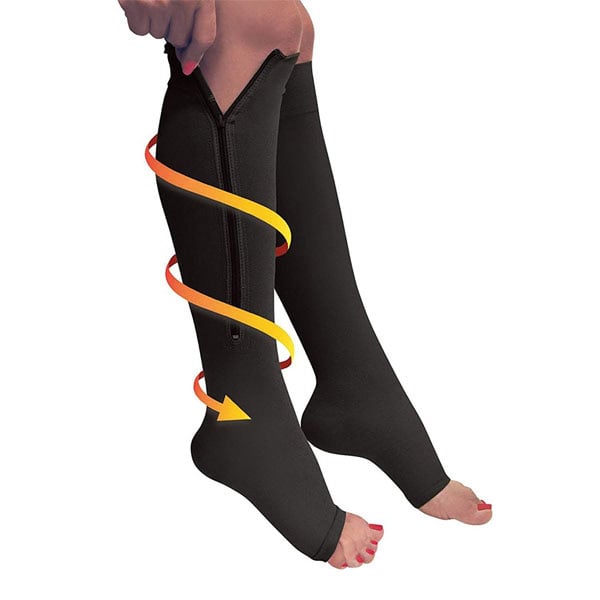
Compression socks use graduated pressure to aid blood flow, applying varying levels of pressure along the leg. The pressure is highest at the ankle and gradually lessens as it moves upward. This encourages blood to move back towards the heart, counteracting the effects of gravity.
By using different levels of pressure, compression socks target areas prone to poor circulation, such as the lower legs. This controlled pressure can help reduce swelling and prevent blood from pooling in the veins.
Reducing Venous Reflux
Venous reflux occurs when blood flows backward due to weakened valves in the veins. Compression socks can reduce this reflux by gently squeezing the veins, encouraging proper blood flow direction.
For people prone to varicose veins or other circulation problems, compression socks provide support that reduces strain on vein walls.
Supporting Muscle Efficiency
Wearing compression socks has been shown to improve muscle efficiency. Better blood flow delivers more oxygen and nutrients, enhancing muscle function and flushing out waste products like lactic acid.
This support can reduce muscle soreness, making recovery faster for athletes and active individuals.
Minimizing Swelling and Edema
Swelling and edema are common issues related to poor circulation. Compression socks prevent fluid buildup by applying external pressure on tissues, helping redistribute fluid and minimize swelling.
Using compression socks for travel or long work shifts can reduce leg discomfort, especially for those predisposed to edema.
When Compression Socks Are Most Beneficial

For Sedentary Workers
People who spend most of their day sitting may experience poor circulation, leading to swollen ankles and heavy legs. Compression socks help counteract these effects by promoting better blood flow.
Wearing these socks can prevent symptoms like numbness and swelling, providing comfort during long hours at a desk.
For Pregnant Women
Pregnancy increases the risk of venous insufficiency due to increased blood volume and hormonal changes. Compression socks offer relief by reducing pressure on veins and aiding circulation.
By reducing swelling and improving blood flow, pregnant women can experience less leg discomfort and lower their chances of developing varicose veins.
For Athletes
Athletes use compression socks to improve circulation, leading to better performance and recovery. Increased blood flow delivers more oxygen to muscles, enhancing endurance and reducing fatigue.
Post-exercise, compression socks help flush out waste products and reduce soreness, contributing to quicker recuperation.
During Long Flights
During long flights, limited leg movement can slow circulation, increasing the risk of deep vein thrombosis (DVT). Compression socks help maintain blood flow by encouraging movement in the lower leg veins.
For frequent travelers, compression socks reduce the risk of complications like swelling or clots.
For Elderly Individuals
Circulation often declines with age, making older adults prone to issues like swollen legs and varicose veins. Compression socks provide gentle support that aids in maintaining blood flow.
By reducing the risk of venous complications, elderly individuals using compression socks can improve their quality of life.
Popular Debates Surrounding Compression Socks

Do They Really Work?
A common objection is that compression socks may not deliver the promised benefits. However, studies back their effectiveness in reducing venous insufficiency and improving circulation.
The graduated compression method has been researched extensively, showing that when properly fitted, these socks can make a meaningful impact.
Are They Comfortable to Wear?
Some people find compression socks tight and uncomfortable initially. Proper fit is key—when they fit correctly, compression socks should provide support without causing pain.
Most users report getting used to them quickly. Opting for breathable, high-quality materials can improve comfort for extended wear.
Are They Necessary for Healthy Individuals?
There is skepticism about whether healthy individuals need compression socks. The answer depends on lifestyle. Those who are often on their feet or sit for extended periods can benefit from wearing them, even without vein issues.
Compression socks can serve as a preventive measure, promoting healthy circulation and reducing the risk of problems developing over time.
Do They Cause Dependency?
Some fear that prolonged use of compression socks could cause veins to “forget” how to function on their own. This isn’t true. Compression socks reduce strain without hindering the natural function of veins.
Users can take breaks without experiencing negative side effects. Rather than causing dependency, compression socks offer temporary assistance for specific needs.
How to Choose the Right Compression Socks

Consider the Level of Compression
Compression socks come in different pressure levels, ranging from light to medical-grade compression. The right level depends on individual needs—for general use, a lower compression level is sufficient.
Higher levels are typically reserved for medical conditions and should be used under a healthcare professional’s advice.
Look for High-Quality Material
Material quality plays a role in comfort and durability. High-quality fabrics such as nylon, spandex, or moisture-wicking blends offer better comfort and longer lifespan.
Investing in a well-made product ensures that users experience the benefits without added irritation.
Get the Right Fit
A proper fit is crucial for compression socks to work effectively. Socks that are too loose won’t provide the intended benefits, while overly tight socks may cause discomfort or restrict blood flow.
Measurements are typically based on calf circumference and shoe size. Many manufacturers offer sizing guides to help choose the best fit.
Consult with a Professional
It’s always a good idea to consult a healthcare professional, particularly for individuals with existing health concerns. They can recommend the appropriate compression level and advise on proper usage.
Professional guidance can ensure that the chosen compression socks are both safe and effective for the individual’s needs.
Research and Studies Behind Compression Socks

Clinical Studies Supporting Effectiveness
Several clinical studies confirm that compression socks help prevent blood pooling and support proper venous return, particularly in at-risk populations. Studies have noted decreased leg fatigue and reduced swelling with regular use.
Research supports the claim that compression socks play a positive role in managing venous insufficiency, especially in sedentary individuals.
Studies on Athletic Performance
Compression socks are often used by athletes, and studies support their use for improving endurance and reducing recovery time. Research has shown improved oxygen delivery and reduced muscle soreness.
These effects are particularly beneficial for endurance sports like running and cycling.
Potential Limitations of Research
Not all studies show a drastic improvement in athletic performance, indicating that individual results may vary. The benefits may be more pronounced in those with preexisting conditions affecting circulation.
Despite minor limitations, the consensus remains positive regarding the impact of compression socks on circulation, particularly for medical use.
Final Thoughts: Are Compression Socks Worth It?
Summarizing the Benefits
Compression socks offer a range of benefits for improving circulation, reducing swelling, and aiding muscle efficiency. They can prevent venous issues, making them useful for various people, from office workers to athletes.
Using the right compression level, fit, and material ensures that users get the most out of these socks. By supporting the venous system, compression socks provide a proactive approach to maintaining healthy circulation.
Consider Your Lifestyle
Deciding whether to use compression socks depends on individual lifestyle and health needs. Those prone to swelling or with a family history of venous issues may find great value in wearing them.
Even for those without specific medical conditions, compression socks can enhance comfort during periods of immobility or heavy activity, making them a versatile health accessory.
Consultation and Personalized Advice
Before starting to wear compression socks, it’s wise to seek professional guidance. This ensures the right fit and compression level, especially for individuals with underlying health conditions.
Working with a healthcare provider helps users tailor their approach to compression therapy, maximizing benefits while minimizing risks.
Final Verdict
Compression socks have proven themselves as more than a wellness trend. With clinical backing and practical benefits, they offer a credible solution for boosting circulation and maintaining vein health.
Whether you are an athlete, an office worker, or someone looking to improve comfort during travel, compression socks provide significant, evidence-backed support for better circulation and overall leg health.